




Effective stretching is the basis of all workouts.
You know all too well that workouts without warm-ups are an invitation to injuries. If there is one thing that facilitates transformations in the fitness world, it is the stretch reflex or myotatic reflex. Stretching and warm-up exercises do much more than just improve blood flow and reduce the risk of injury. This mechanism is also responsible for rapid recovery and fitness progression. You must harness the stretch reflex in your body to make the most of your home workouts.
Don’t walk away if you are into strength training, yoga, or after serious gains. The stretch reflex mechanism helps all types of fitness progression. This good read shines light on this built-in mechanism in your body.
Let’s understand this natural reflex of your body.
What is the Stretch Reflex Mechanism
For starters, it is just a reflex of your body. The stretch reflex is an automatic muscle contraction. It is one of the least discussed topics when it comes to workouts. Yet it is one of the most important processes for the most sought-after fitness goals, such as the following:
- muscle growth
- flexibility
- mobility
You can use the stretch reflex to build power and achieve the maximum fitness progression that you aimed for. It is designed to resist sudden overstretching. This mechanism helps your body transform and adapt to the practice. This can be used in two different ways. You can avoid the reflex to improve flexibility (by stretching slowly). The other way to use this mechanism is to deliberately trigger it to maximize power and build muscle during bodyweight exercises. This is done using quick, controlled movements.
At Stoga, it is our prerogative to ensure that anyone already here leaves with a helpful piece of fitness information they will never forget. This 5-minute read zooms in on the stretch reflex mechanism, why it exists, and how it helps your body to adapt.
The Stretch Reflex and Your Fitness Progression
Athletes know this best. They realized the necessity of warming up through centuries of trial and error. Even you must have noticed that when a muscle is stretched too fast, you feel pain in the underlying muscle tissue. This happens because the receptors called muscle spindles detect the change.
So the muscle spindles send a signal to your spine. And your spinal cord immediately triggers the muscle to contract, acting as a protective braking mechanism. The thing is that muscles are stiff when they are cold. And cold muscles are stiffer and more prone to triggering the stretch reflex. That is why it is recommended to warm up before any physical activity or playing a sport.
Engaging your cold muscles directly in a workout causes tightening. Always do a light warm-up before working out at home to help your muscles ease into movements safely. Do your muscles still get sore after training?
Check out these 10 strategies to avoid muscle fatigue and choose rapid recovery.
The Knee-Jerk Test
The knee-jerk test (patellar reflex) is the classic clinical example of a stretch reflex. The test basically evaluates how well the nervous system is functioning. You are not required to train in front of the clinician for this. They check it by triggering an involuntary muscle contraction in response to a sudden stretch. The immediate response is an involuntary forward kick. Your strength training workouts and yoga practice are a functional use of this very reflex.
The Activation of Stretch Reflex
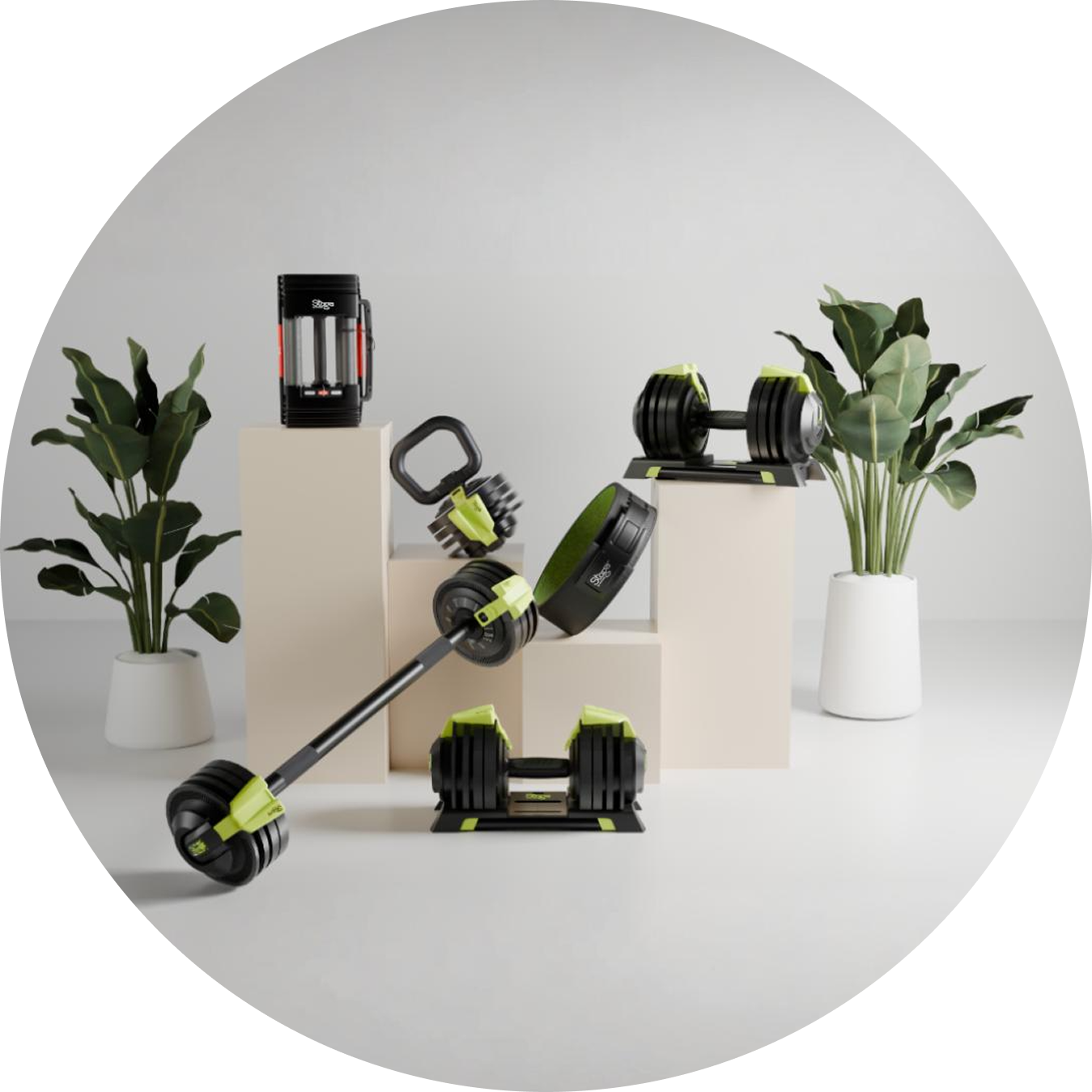
Whenever a muscle is rapidly or passively lengthened, the muscle spindles trigger a response. The stretch reflex, which causes the muscles to contract. And resist the stretch. But it is good for you. While the body does so to prevent injury, you adapt. Your muscles adapt to the training. This is what leads to your fitness progression. If you felt muscle resistance while doing your reps with a 5 kg dumbbell, in a few months, you may be able to increase your range to 7 kg to feel your body resist it. If you are not ready for weights, premium non-slip resistance bands are one of the best home workout equipment to add to your arsenal.
You can train muscles in two ways: unilateral or bilateral.
The stretch reflex has a role to play in both. The unilateral or single-limb movements involve training one side of the body at a time. For bilateral exercises, you use both limbs simultaneously.
This also applies to mixed-modality practices such as yoga, Pilates, and any other fitness training. Let’s take a look at the various types of training where the myotatic reflex comes into play.
How to use Stretch Reflex for Muscle Hypertrophy
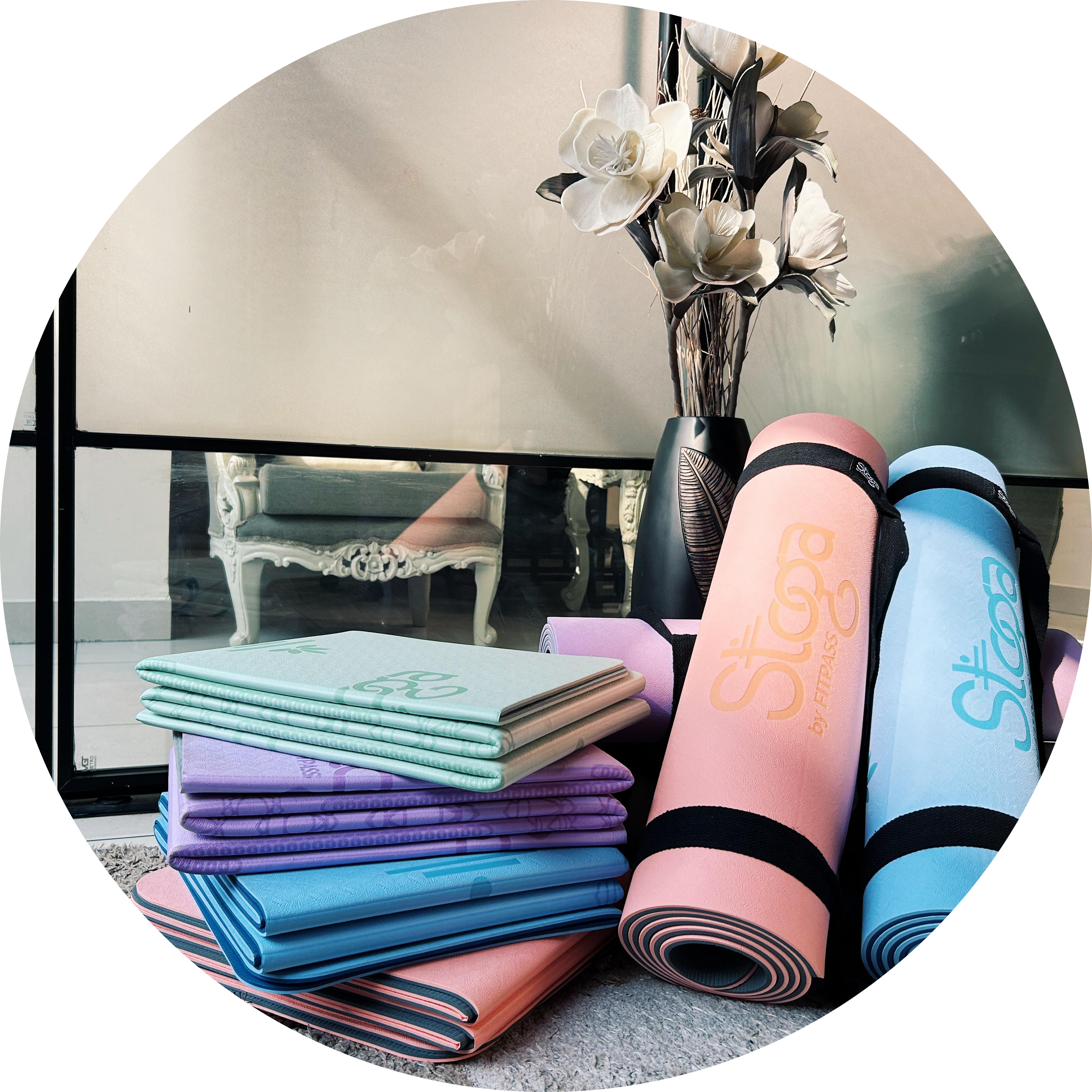
While the myotatic reflex is effective for strength training, it is recommended to rely on strict, controlled movements. Place a durable yoga mat for solid grounding and warm up with bodyweight exercises. You can go for light calisthenics exercises or jumping squats to activate the myotatic reflex. It is best for pure strength and muscle hypertrophy. This also helps fitness enthusiasts to avoid over-relying on momentum. Now that you know how to use the stretch reflex. Let’s take a look at some of the types of training styles for your muscles.
Strength Training the Right Way for Range of Motion
- Plyometrics Moves: Plyometrics exercises mostly involve jump training and muscle stretches. This includes workouts like explosive squat jumps or split jumps that rely on the stretch reflex. Here is how the reflex mechanism comes into play. When you lower your body quickly, the reflex builds elastic energy. Exploding upward immediately utilizes this built-up energy. Thus, increasing your jumping power.
- Calisthenics Momentum: Doing push-ups or pull-ups with a slight "bounce" is a good example of this. The quick transition at the bottom uses the stretch reflex to help propel you back up.
Bypassing the Stretch Reflex for Muscle Flexibility
- Static Stretching: These stretches aim to help you increase your range of motion. You stretch slowly until you feel mild tension and hold the pose for 15 to 30 seconds. That’s it. This extended duration allows the muscle spindle to adapt. It tells the reflex to “chill out” and relax its hold. And you get to safely elongate the muscle and support your fitness progression.
- PNF Stretching: The PNF (Proprioceptive Neuromuscular Facilitation) involves tricking the nervous system into letting you stretch deeper by intentionally triggering the reflex. For example, gently contract a stretched muscle for 6–10 seconds, then relax and stretch it further. When you have mastered this, add weights slowly. Use an ergonomic adjustable dumbbell to safely pick the right weight for your sets. Pulling a dumbbell diagonally across your body from the opposite hip up to the opposite shoulder is PNF D1 Flexion. Besides this, if you reach for a dumbbell near your opposite hip, across your body, and press it up and outward, that is called PNF D2 Flexion. Such movement-based PNF routines are an excellent way to safely build strength through a full range of motion.
Training Muscles for Strength with Yoga Poses
Yoga is a mixed-modality practice that helps you work on both bilateral and unilateral movements. When discussing the stretch reflex, yoga utilizes bilateral activation, which stretches both sides of the body simultaneously. For instance, in a seated forward fold. It also works for unilateral poses like the tree pose to stimulate and override this neural response. Any type of muscle training, be it stretching, mobility, or strength training, the muscle spindles help to further your fitness progression.
Trying to build powerful glutes with yoga stretches?
Try these glute-focused yoga asanas to build stronger glutes starting today.
Train With Purpose, Knowledge, and Smart Gear
The stretch reflex may work silently behind the scenes, but it plays a powerful role in every rep, stretch, pose, or jump you perform. Understanding how your body responds to movement can help you train smarter at home.
Ready to move with greater purpose? Explore Stoga's range of yoga mats, fitness equipment, and core training essentials that are meticulously designed to support every stage of your wellness journey.
Stoga brings you functional and durable gear to improve flexibility, build strength, and reduce injury risks.


