

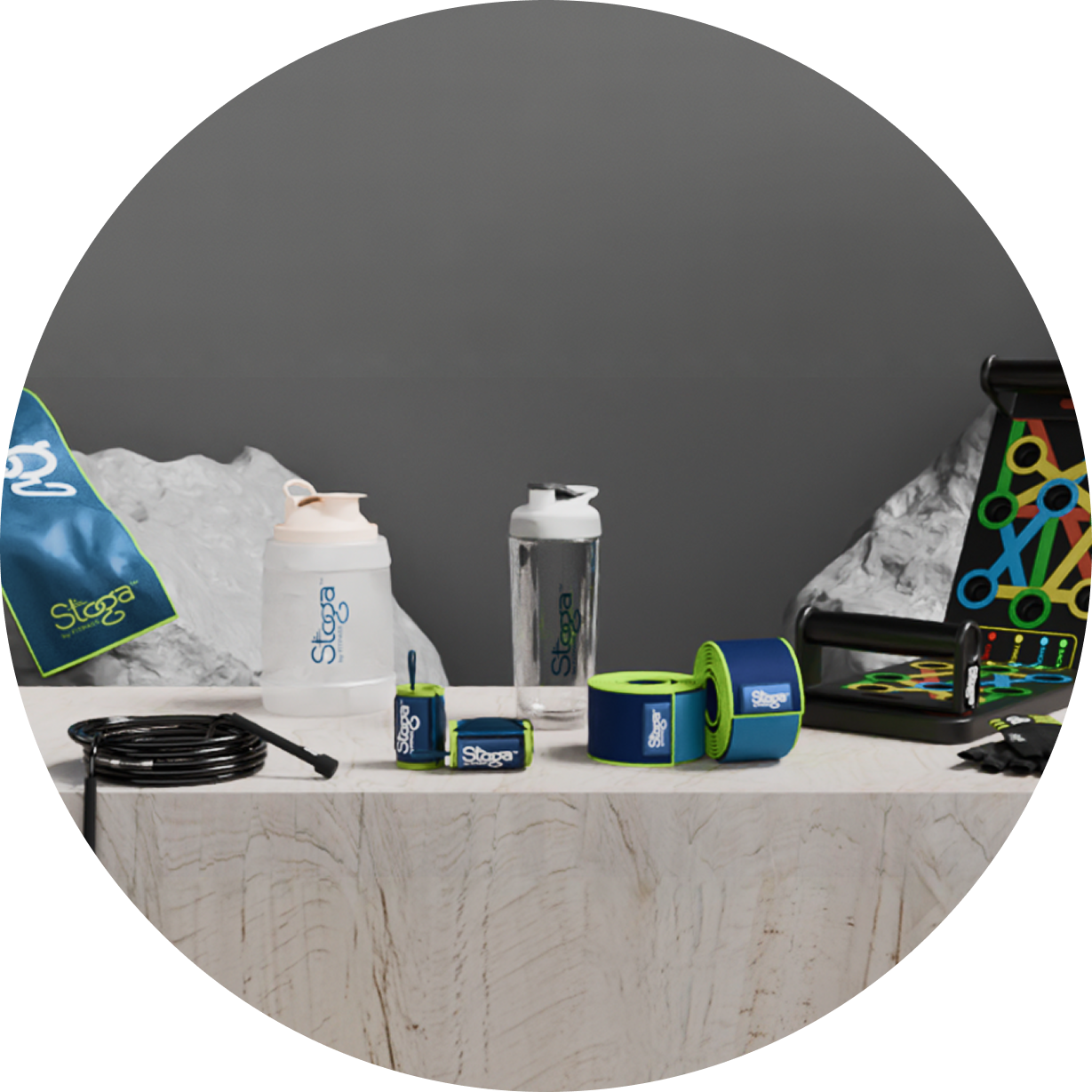


Staying properly hydrated is one of the simplest things you can do to support your health, fitness and everyday wellbeing. Yet despite the clear benefits of drinking water, many of us fall into common traps. In this blog, we’ll explore the top 7 “hydration mistakes” you might be making, and how using a gallon water bottle – especially a convenient, visible one- can act as an easy, effective solution. We’ll cover hydration tips, the benefits of drinking water, how to stay hydrated all day, and why a reusable bottle matters for gym-goers and anyone who wants a smarter fitness water routine.
Key Takeaways
- Many people unintentionally under-drink or drink irregularly, which can impact performance, mood and recovery.
- Having a large-capacity drink bottle (for example, a one-gallon or ~1.5 litre plus size bottle) makes tracking easier, reminds you to sip, and creates a visible goal throughout the day.
- Common hydration mistakes include skipping water in workouts, relying only on thirst, ignoring the environment or activity levels, and using small bottles that require constant refills.
- The benefits of good hydration extend beyond the gym: better brain function, improved digestion, joint health, skin quality, mood, and full-body performance.
- For gym-goers or active people, a gallon-style bottle means you stay on top of fluid losses from sweat and maintain hydration for performance.
- Choose a reusable bottle you’ll actually use. It becomes part of your fitness water routine and helps you easily ask “how much water to drink daily?” by making the goal tangible.
1. Mistake 1: Relying solely on thirst
Many people wait until they’re feeling thirsty before reaching for water. But thirst often arises after mild dehydration has already set in. Studies show that even fluid loss of 1–3 % of body weight can impair mood, concentration and physical performance.
By the time you “feel thirsty”, you’re already behind.
How the gallon bottle helps: Fill your bottle at the start of the day and set small milestones (e.g., “finish half by midday, finish full by dinner”). The large capacity makes the goal visible and pressing. Instead of waiting for thirst, you’re prompting frequent sipping.
2. Mistake 2: Under-estimating water losses during exercise
If you’re exercising, lifting weights, doing cardio, or in a hot environment, you’ll lose fluid via sweat. Even 2% body-weight fluid loss can reduce physical performance significantly.
Many gym-goers assume “I’ll drink after workout”, but getting behind early means the workout suffers.
How the gallon bottle helps: Use it as your workout companion. Set it beside your bench, treadmill or mat. Because it holds a lot, you don’t need to keep refilling mid-session, and you’re more likely to sip throughout your workout rather than waiting until afterwards.
3. Mistake 3: Small bottles = constant refills = less tracking
If you have a tiny bottle (e.g., 500 ml), you may need to refill it many times. That increases friction, causes forgetting, and makes tracking harder. You might think, “I’ll get another glass later”, and then get distracted.
How the gallon bottle helps: Its one-fill-one-goal nature simplifies tracking.
For example: fill it in the morning, aim to finish by evening. The size itself acts as a visible target. That means “daily water intake tips” become practical rather than vague.
4. Mistake 4: Ignoring environment or activity changes
Your hydration needs aren’t static. Hot weather, humid conditions, high altitudes, heavy exercise or even fever/vomiting increase fluid loss.
If you drink the “same as yesterday” even when conditions differ, you’ll be under-hydrated.
How the gallon bottle helps: On heavier days, you can simply refill the bottle once instead of grabbing many small bottles. For instance: “today I’ll finish two of these” or “fill twice if hot”. The large bottle emphasises that extra volume is needed.
5. Mistake 5: Using sugary/fluoridated drinks instead of water
While beverages like sweetened sodas, sports drinks or even excessive fruit juice contribute fluids, they also bring calories, sugar and sometimes sodium in amounts not needed.
For many people, these replace plain water, meaning they may drink enough volume but still not get optimal hydration.
How the gallon bottle helps: Use your bottle for plain water only (or lightly infused). Turn it into your primary hydration vehicle. Then any other drink becomes “extra” rather than your main source. This helps you build the habit of drinking water first.
6. Mistake 6: Losing track of how much you’ve drunk
It’s easy to forget how many glasses you’ve had, especially when you’re busy, working, or in the middle of training. Without visible tracking, you might underestimate consumption.
How the gallon bottle helps: A gallon (or ~1.5 litre) bottle is perfect for “fill once, measure all day”. You’ll see the level drop. You can mark hours (e.g., 8 am, 11 am, 2 pm, 5 pm) or set alarms. This makes “best way to track water intake” simple and tangible.
7. Mistake 7: Thinking one size fits all
“How much water to drink daily?” is a commonly asked question. While general guidelines exist (healthy men ~3.7 litres of fluids, including foods, women ~2.7 litres), the reality is you must adjust for your body size, activity level, environment and fitness goals.
Many simply drink according to the “eight-glass rule” without regard to their actual needs.
How the gallon bottle helps: For many active people, having a bottle sized large (e.g., one gallon ~3.8 litres, or a more manageable ~1.5 litre variant) means you’re more likely to reach or exceed your fluid target. The physical size acts as a reminder: “This is how much I should aim for”. If you finish it and feel you need more (because gym session or heat), you refill. If you don’t finish, you reflect on why (maybe the workload was lighter, or you relied on food-based fluids).
Benefits of Drinking Water: Why Hydration Matters
Before diving further into solutions, let’s underline why drinking enough water is so valuable:
- Physical performance & recovery: If you’re even mildly dehydrated (loss of ~2% body water), you’ll suffer fatigue, reduced motivation, impaired temperature regulation and sub-optimal training outcomes.
- Brain function, mood & concentration: In studies, mild fluid loss impaired working memory and increased anxiety/negative mood states.
- Digestive health & waste removal: Water helps in digestion, nutrient transport, detoxification via the kidneys and bowel movement regularity.
- Joint health & skin: Cartilage contains ~80% water; lack of hydration affects its shock-absorbing capacity, leading to joint discomfort. The skin barrier benefits from water, too.
- Overall health & chronic disease prevention: While not a magic bullet, research shows that better hydration may reduce kidney stones, migraines, urinary tract infections, and support weight management.
For gym-goers and fitness-focused individuals: hydration forms the foundation of recovery, muscle repair, endurance and everyday energy. Without it, you’ll hit plateaus or feel flat.
Spotlight: How the Gallon Bottle Helps in Your Fitness Hydration
Let’s explore how a well-designed large capacity reusable bottle (whether truly one gallon or ~1.5 litre variant) supports hydration and solves those mistakes in practice.
- Visible goal: Having one vessel for the day means you see your progress (liquid level dropping) and that acts as a cue to drink.
- Reduced friction: Instead of grabbing multiple small bottles throughout the day (which you may forget or avoid), one bottle simplifies your habit.
- Carry-anytime access: You take it with you to the gym, to your desk, to meetings, and it becomes your constant companion.
- Tracking ease: You can mark times or quantities on the bottle, “half gone by midday”, “empty by 6 pm”, which helps with daily water intake tips and tracking.
- Mindset shift: It makes hydration feel intentional and measurable, rather than ad-hoc.
- Reusable & sustainable: You’re choosing a reusable bottle rather than single-use plastic, aligning with fitness values and responsible habits.
- Readiness for exercise: On heavy training days, you already have the capacity to cover sweat losses and ensure you remain on top of hydration for gym performance.
How to Implement Your Hydration Strategy
Here’s a simple step-by-step plan to leverage the large bottle and fix hydration mistakes:
- Choose your bottle: Aim for a large-capacity reusable bottle (ideally ~1 litre or more; “gallon” gets attention, but even ~1.5 litre works well). It should have measurement markers or a handle so you can carry it easily.
- Fill it first thing: When you wake up (or when you get ready in the morning), fill the bottle and place it where you’ll see it frequently (desk, gym bag, etc).
- Set milestones: For example, before lunch – half gone; mid-afternoon – three-quarters gone; by post-gym/dinner – empty. Adjust if your training or environment changes.
- Sip regularly: Don’t wait until you’re thirsty. Take a few sips every 20–30 minutes. The bottle’s presence reminds you.
- Refill if needed: On heavier days (intense workout, heat, more sweating), refill the bottle once extra. Keep track of how many fills you do.
- Track progress: Mark on the bottle or log briefly how many bottles you finish each day. Seeing week-by-week data helps you reflect on hydration patterns.
- Complement with water-rich foods: Veggies, fruits (cucumber, watermelon, spinach), add to your total fluid intake. But water remains your go-to.
- Remember that water beats sugary drinks: Use the bottle for plain or lightly flavoured water; use other beverages as occasional extras.
- Check your hydration status: A simple gauge: if your urine is pale yellow, you are likely adequately hydrated. A darker colour may signal you need more fluids.
- Adjust for individual factors: If you train hard, sweat a lot, and live in a hot/humid climate (like many parts of India), you’ll need more fluid than the “one-size-fits-all” advice. The large bottle gives you space to absorb that.
Conclusion
Hydration is a fundamental, yet often neglected, pillar of fitness, recovery and everyday wellbeing. From brain function to muscle performance, from digestion to skin health, ensuring you consistently drink enough water matters. The problem isn’t always why to drink water; it’s the how and when. Many of us fall into hydration mistakes: waiting for thirst, using small bottles, ignoring training- or climate-driven fluid losses, failing to track intake and relying on sugary drinks instead of plain water.
So if you’re looking for a simple, effective tool in your fitness water routine, consider the power of one bottle, one clear goal. Fill it, sip throughout the day, adjust as needed, and end your day with the satisfaction of reaching your target. Your body, training sessions, and brain will thank you for it.
FAQs
Q1: How much water should I drink daily?
There’s no universal number, but general guidelines (for fluid intake, including food + drink) suggest about 3.7 litres for adult men and 2.7 litres for adult women in temperate conditions. For active individuals, gym-goers or those in a hot climate, you may need significantly more. Using a large bottle helps you aim high and adjust.
Q2: Will relying on a large bottle mean I’m over-drinking or “water-intoxication”?
For most healthy adults, the risk of over-hydration is minimal. The body regulates its fluid. Over-drinking rarely occurs unless you’re forcing fluids beyond thirst and also have certain health conditions (kidney/liver/heart issues) or extreme endurance events.
Q3: Does plain water suffice, or do I need sports drinks/electrolytes?
For most everyday and gym-based activities, plain water is adequate. Water helps your body function, lubricates joints, and supports brain and performance. Sports drinks with electrolytes are more relevant for high-duration workouts (e.g., > 60 minutes of intense or heavy sweating). But for daily fitness routines, prioritising water is a smart and cost-effective strategy. The large bottle encourages water first.


