





Winter can be a challenging season for staying active. The cold, early darkness and festive indulgences often derail even the most disciplined fitness routines. But with the right strategies, you can maintain, or even build, your momentum through the colder months. Here are ten practical, effective ways to stay on track and make winter your strongest season yet.
Key Takeaways
- Create realistic goals, and adjust your routine to fit the winter season.
- Use layering, proper warm-ups, and hydration to exercise in the cold safely.
- Lean on indoor exercises, home workout gear (like that from Stoga Fit), and a reliable routine.
- Build accountability through workout buddies, scheduled sessions, and rewards.
- Recover well, especially after the festivities, and focus on nutrition, sleep, and injury prevention.
1. Set Realistic, Season-Appropriate Goals
One of the first steps to maintaining fitness momentum in winter is to recalibrate your goals. Rather than pushing for major gains, shift your focus to consistency and maintenance. As the Calm blog suggests, realistic seasonal goals such as “exercise three times a week” or “move 20 minutes daily” feel more manageable during colder months.
When you adapt your expectations for what’s realistic in winter, you reduce the psychological burden and make it easier to stay motivated. This is especially important around the festive season, when social events and richer food can distract you. Keeping goals modest helps you stay steady rather than burning out.
2. Dress Smart: Layering and Cold-Weather Gear
Exercising in cold weather safely and comfortably depends heavily on how you dress. Proper layering is key: start with a moisture-wicking base layer, add an insulating mid-layer, then finish with a wind-proof outer layer.
Wearing the right fabrics matters. Avoid cotton, which can trap sweat and make you feel colder. Instead, choose synthetic or technical fabrics that wick moisture away.
Don’t forget your extremities, your hands, feet, and ears are particularly vulnerable in winter, so gloves, warm socks, and a hat (or headband) are essential.
3. Warm Up Thoroughly, Cool Down Wisely
Cold muscles are more prone to injury. That’s why a proper warm-up is non-negotiable in winter. Start indoors, if possible, with dynamic movements like jumping jacks, arm circles or bodyweight squats to increase blood flow.
Likewise, after your workout, don’t skip stretching. Muscles tighten more in the cold, so targeted stretching helps prevent cramps, spasms, or stiffness.
Also important: avoid over-sweating when exercising outside in very cold weather, as damp clothing can dramatically increase heat loss.
4. Hydrate Like It’s Summer: Because It Feels That Way
In winter, many of us feel less thirsty, but our bodies still need hydration. The dry air increases water loss, and your body uses extra energy to maintain its core temperature.
A simple trick: carry a warm water bottle or even a flask of hot herbal tea during outdoor workouts, so you don’t avoid drinking just because it’s cold.
5. Build a Winter-Friendly Workout Routine
Rather than forcing yourself into a summer-style training plan, adapt your winter workout routine to the season. If you're used to running outside, consider indoor intervals, treadmill sessions, or strength training on colder days.
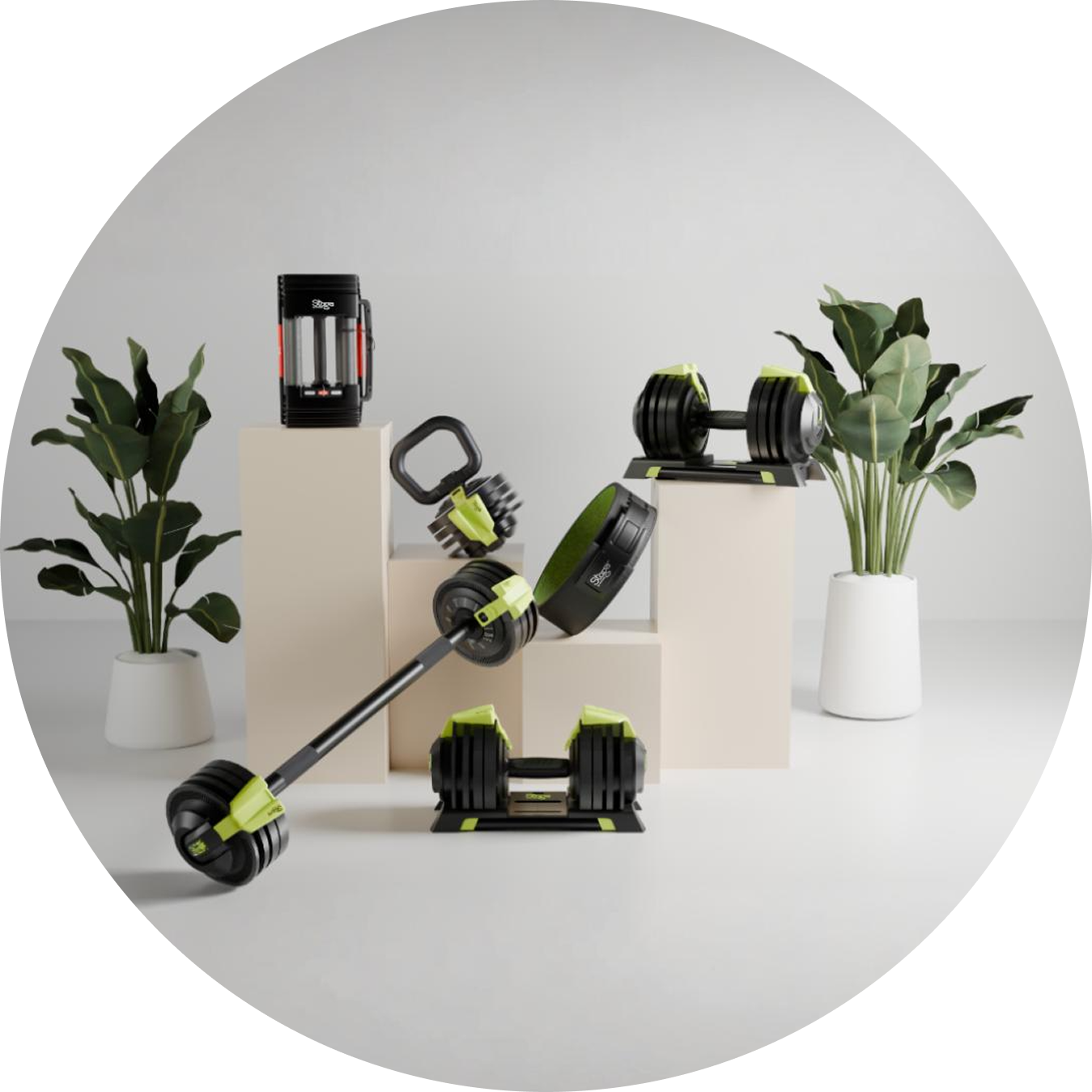
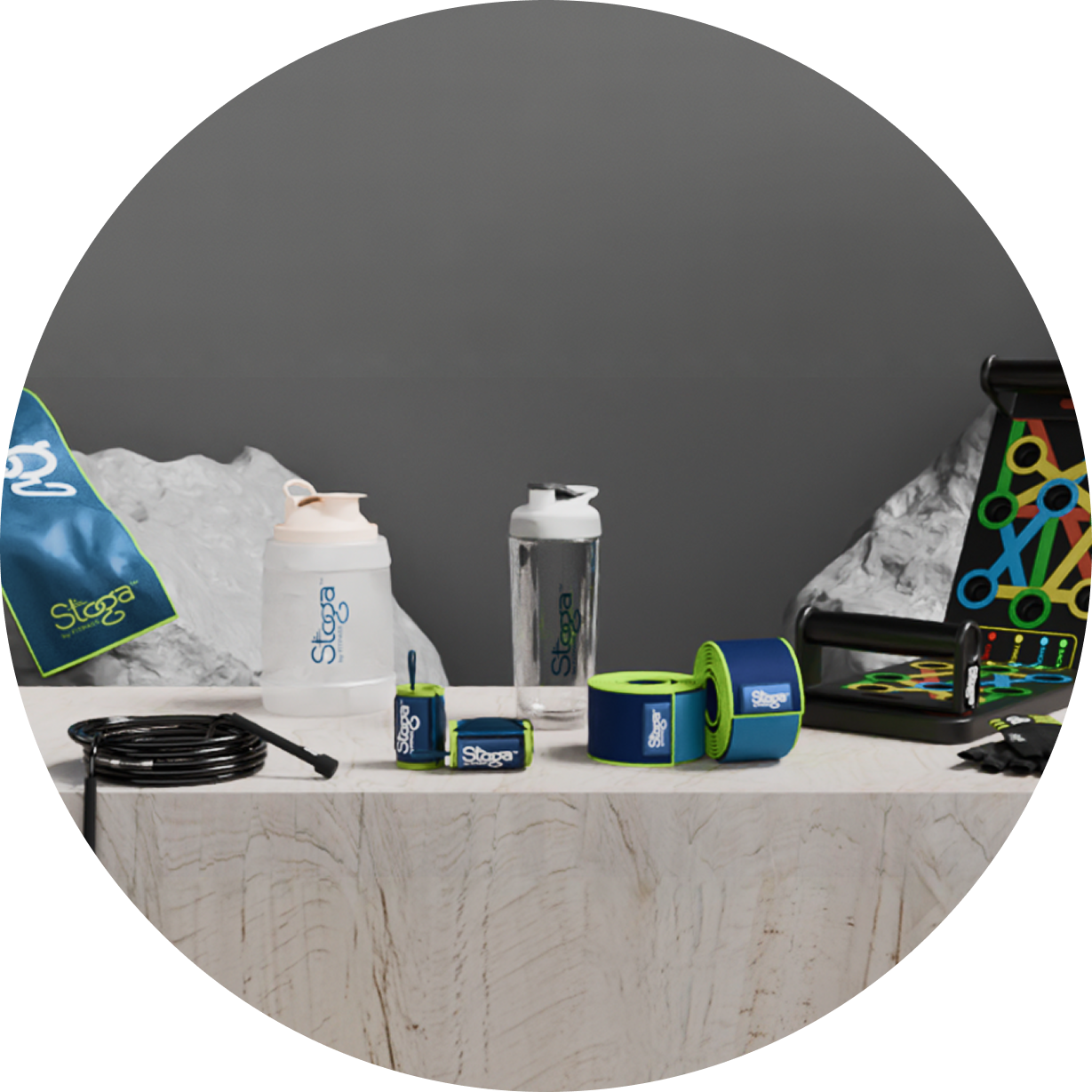
Home workouts become especially powerful in winter. This is where Stoga's equipment really shines: their adjustable dumbbells and compact workout gear allow you to build strength without stepping outside. Their designs are compact and intuitive, helping you create a full-body strength routine right in your living room.
Incorporate bodyweight exercises, HIIT sessions, yoga, or mobility routines. These not only suit indoor spaces but also break up the monotony and keep things engaging.
6. Use Accountability: Workout Buddies, Scheduled Time & Rituals
Maintaining momentum is easier when you’re accountable. Find a workout buddy, someone who will push you to turn up even when the cold is tempting you to stay in bed. HealthShots recommends having a workout partner because “a motivated workout partner will help to keep your motivation levels high.”
Other accountability strategies:
- Book a class at a gym near me (or digitally): rotating between local gyms, online classes, or community sessions helps keep things fresh.
- Treat your workout like a non-negotiable appointment in your calendar. As Fit Haus suggests, putting your session on your schedule makes it more likely to happen.
- Reward yourself for sticking to small milestones, whether that’s treating yourself to a warm drink, a new piece of workout gear, or simply relaxing afterwards.
7. Find Motivation Through Novelty and Indoor Fitness Ideas
When the outdoors feels uninviting, explore indoor fitness ideas to keep things fun. Try dance workouts, virtual classes, yoga, or strength training using home gym equipment.
This also ties into “winter workout motivation”; mixing up your routine prevents boredom. Maybe dedicate one day a week to a purely home-based strength session (with Stoga’s adjustable dumbbells), another day to a virtual yoga class, and another to a cardio session.
Additionally, virtual communities or challenges can help. Whether through fitness apps, social media groups, or “gym near me” memberships, shared experiences keep motivation high. As Calm’s blog recommends, online challenge or buddy systems build accountability.
8. Take Advantage of the Unique Health Benefits of Cold-Weather Fitness
Exercising in winter isn’t just hard; it can also be beneficial. For instance, cold exposure is known to activate brown adipose tissue (brown fat), which burns calories to generate heat.
In fact, consistent training in cold weather can improve your body’s efficiency in regulating temperature and burning energy. Rather than seeing the cold as a threat, you can frame it as a performance booster.
There’s also a mental boost. Exercise naturally releases endorphins, which can help counter seasonal fatigue and low energy during darker months.
9. Recover Well: Especially After Festivities
Winter often brings festivities, rich food, and disrupted routines. It’s vital to prioritise recovery to maintain fitness momentum.
Look after your nutrition by focusing on protein-rich and fibre-rich foods. According to wellness experts, maintaining a balanced diet during winter supports your immune system, energy levels, and prevents weight gain.
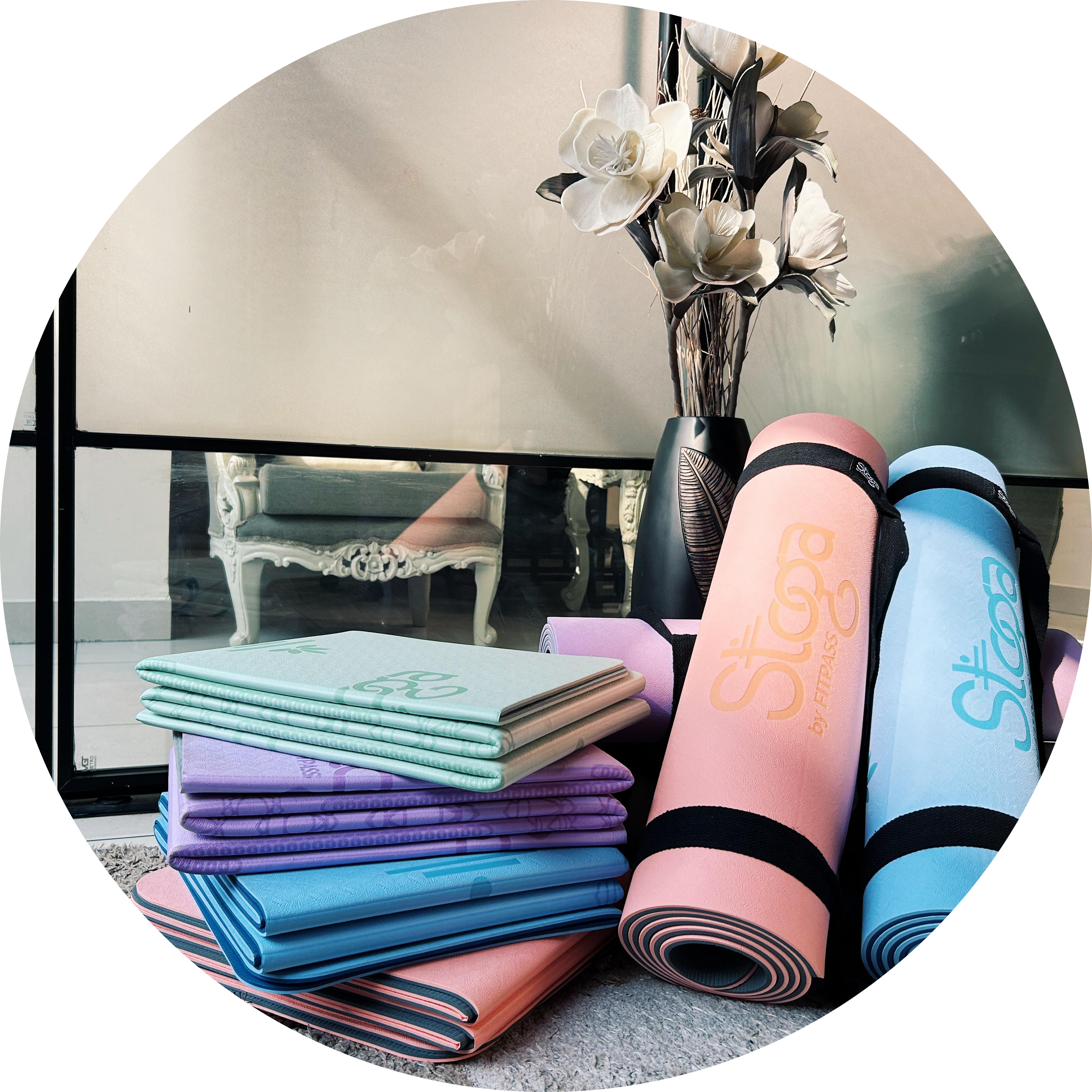
Make time for rest, sleep, and gentle movement. Use post-festive recovery steps like stretching, mobility work, or even gentle yoga to reset. Interestingly, Stoga offers a recovery philosophy, emphasising tools for recharge after celebrations.
10. Monitor, Adjust, and Stay Flexible
Winter is unpredictable. Some days will feel motivating. Others, not so much. To maintain your momentum, you need to stay flexible and responsive.
- Track your progress: Use a simple journal or fitness app to note workouts, how you feel, and what’s working.
- Be willing to adjust: If it’s too cold to run, replace that session with a strength or mobility workout.
- Celebrate small wins: Finishing a week of consistent effort, even if it’s less intense than summer, is still a win.
- Plan for contingencies: Have a backup home workout in mind (with Stoga equipment or bodyweight) so you’re never “stuck” because of the weather.
Conclusion
Winter doesn’t have to be a season of fitness stagnation. By setting realistic goals, dressing smart, warming up properly, staying hydrated, and leaning on a smartly designed winter workout routine, you can preserve, or even build, your fitness momentum. Use accountability, recovery, and flexibility to navigate the challenges of cold weather. Best of all, home gym equipment like Stoga Fit’s adjustable dumbbells makes it easier than ever to train effectively indoors, without sacrificing variety or intensity.
As you move through winter, remember: consistency matters more than perfection. Focus on showing up, listening to your body, and adapting smartly, and you’ll emerge stronger when spring arrives.
FAQs
Q1: How do I stay motivated when the mornings are dark and cold?
Try scheduling your workout later in the day when it's warmer or more bearable, or lean on indoor workouts. Use accountability, a friend, a class, or a set appointment to keep you committed.
Q2: Is it safe to exercise outside when it’s very cold?
Yes, if you take precautions: layer properly, warm up thoroughly, wear appropriate gear for your extremities, and avoid over-sweating. Keep an eye on wind chill and limit sessions when it's dangerously cold.
Q3: How can I avoid gaining weight during the winter/holiday period?
Focus on balanced nutrition (plenty of protein and fibre), stay active even with lighter or home workouts, and prioritise recovery. Also, maintain daily exercise habits, they help offset festive indulgences.
Q4: I don’t have space or access to a gym. How can I maintain fitness momentum?
Use compact home workout gear (like adjustable dumbbells from Stoga), bodyweight exercises, virtual classes, or HIIT routines. Structure a weekly routine that prioritises what you can do at home, and stay consistent.


