



The New Year often arrives with fresh motivation and a long list of goals. Staying active usually sits right at the top. But between busy schedules, crowded gyms, and unpredictable routines, many people struggle to remain consistent. The good news is that you do not need fancy equipment or a gym membership to build healthy habits. With the right approach, you can stay fit at home and make fitness a sustainable part of your daily life.
Fitness at home is no longer a backup plan. It is a practical, effective, and flexible way to move your body, improve strength, and boost mental wellbeing. Whether you are a beginner or someone getting back on track, a structured home workout routine can help you start strong and stay committed all year long.
Key Takeaways
- You can stay fit at home with minimal space and zero equipment
- A simple home fitness workout builds consistency and confidence
- Structured routines reduce burnout and improve results
- Home workouts support weight loss, strength, and mental health
- Progress comes from discipline, not perfection
Why Staying Fit at Home Makes Sense in the New Year
January is often full of enthusiasm, but it can fade quickly when goals feel overwhelming. Gym crowds peak, schedules feel tighter, and motivation dips. This is where fitness at home becomes a smart alternative.
When you remove travel time, gym anxiety, and rigid class schedules, you reduce friction. You are more likely to show up when your workout lives in the same space as you do. A home exercise plan allows flexibility while still providing structure.
Research published in the British Journal of Sports Medicine highlights that consistent moderate physical activity, even in short bouts, significantly improves cardiovascular health and mental well-being. This means your daily workout at home can be just as effective as longer gym sessions when done regularly.
Setting Realistic Fitness Goals for Home Workouts
Before jumping into a home workout routine, take a moment to set realistic and measurable goals. Clear goals keep you focused and reduce the risk of giving up early.
Start by asking yourself what you truly want. Is it weight loss, better mobility, improved strength, or simply feeling more active? Your answer will shape your home workout plan.
Instead of vague targets like “get fit,” choose specific outcomes. For example:
- Complete a 20-minute daily workout at home, five days a week
- Follow a beginner home workout plan for four weeks
- Build a habit of morning movement
When goals feel achievable, you stay motivated longer. This mindset shift sets the foundation for sustainable fitness at home.
Creating a Dedicated Space for Fitness at Home
Once your goals are clear, your environment should support them. You do not need a full room or expensive gear. A small, clutter-free area is enough to begin.
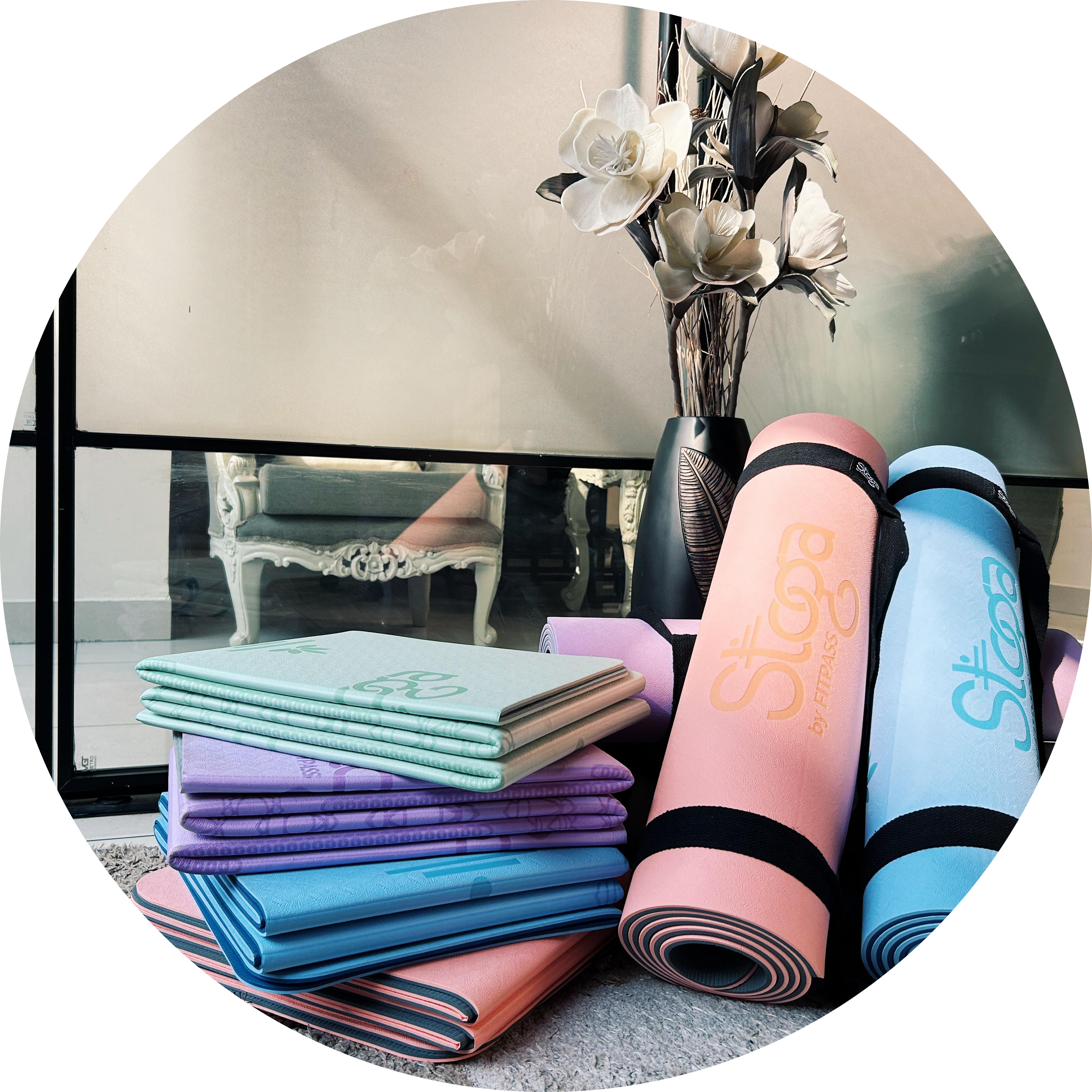
Choose a space with good ventilation and enough room to move freely. Keep essentials nearby, such as a mat, towel, and water bottle. This simple setup makes it easier to start your home fitness workout without excuses.
According to a study from Psychology of Sport and Exercise, people are more likely to stick to exercise routines when their environment supports the habit. A visible workout space acts as a daily reminder to move.
Designing a Sustainable Home Workout Routine
With your space ready, the next step is building a routine you can stick to. The best home workout routine is not the hardest one. It is the one you actually complete.
A balanced routine includes strength training, mobility, and light cardio. This combination supports overall fitness and reduces the risk of injury.
For beginners, start with three to four sessions a week. As your body adapts, you can gradually increase frequency. This approach helps you stay fit at home without overwhelming yourself.
Beginner Home Workout Plan to Build Consistency
If you are new to exercise or returning after a break, simplicity is key. A beginner home workout plan should focus on mastering basic movements.
Here is a simple structure:
- Warm-up: Marching in place, arm circles, gentle stretches
- Strength: Squats, wall push-ups, glute bridges
- Core: Modified planks, seated leg raises
- Cool-down: Stretching and deep breathing
This routine builds confidence and prepares your body for more challenging exercises. Over time, it naturally evolves into a more advanced home workout routine.
Full Body Workout at Home for Strength and Balance
Once you feel comfortable, a full-body workout at home becomes your next step. Full-body sessions engage multiple muscle groups, making workouts efficient and effective.
Exercises like lunges, push-ups, planks, and mountain climbers challenge both strength and coordination. These movements also increase calorie burn, supporting overall fitness goals.
Studies published in the Journal of Strength and Conditioning Research show that bodyweight exercises improve muscle endurance and functional strength when performed consistently. This makes them ideal for long-term fitness at home.
Home Workout Plan for Weight Loss That Works
Weight loss remains a common New Year's goal. While exercise alone is not the full solution, a home workout plan for weight loss plays an important role.
Focus on workouts that elevate your heart rate while building muscle. Circuit-style routines work particularly well at home. Combine strength exercises with short bursts of cardio, such as jumping jacks or high knees.
Consistency matters more than intensity. A 25-minute daily workout at home, paired with mindful eating, often delivers better results than sporadic intense sessions.
The Role of Daily Movement in Staying Fit at Home
Beyond structured workouts, daily movement keeps your body active and your mind energised. Small actions add up over time.
Simple habits include:
- Stretching in the morning
- Taking movement breaks during work hours
- Walking while on phone calls
These micro-movements support recovery and keep your metabolism active. When combined with a home exercise plan, they strengthen your commitment to fitness at home.
Staying Motivated Without a Gym Environment
Motivation often dips without external accountability. However, you can create your own systems to stay on track.
Scheduling workouts like meetings increases commitment. Tracking progress, even with simple notes, builds momentum. Online workout videos and guided sessions also provide structure and variety.
A study by Harvard Medical School suggests that people who follow guided workouts are more likely to maintain exercise habits over time. This makes digital fitness tools a valuable addition to your home workout routine.
Common Mistakes to Avoid When Working Out at Home
While home workouts offer flexibility, certain mistakes can slow progress. Skipping warm-ups increases injury risk. Overtraining leads to burnout. Comparing yourself to others creates unnecessary pressure.
Listen to your body and allow rest days. Recovery plays a vital role in long-term fitness at home. Balance effort with patience, and results will follow naturally.
How Nutrition Supports Your Home Exercise Plan
Exercise works best when paired with balanced nutrition. You do not need extreme diets to support your home workout routine.
Focus on whole foods, adequate protein, and proper hydration. Eating regular meals supports energy levels and recovery. When nutrition and exercise align, staying fit at home becomes much easier.
Conclusion: Make Fitness at Home a Lifestyle, Not a Resolution
New Year goals often fade because they rely on motivation alone. True change comes from habits built into daily life. Fitness at home offers simplicity, flexibility, and sustainability.
By setting realistic goals, following a structured home workout routine, and staying consistent, you can build strength, confidence, and long-term health. This year, let fitness fit into your life, not the other way around.
FAQs
1. How to stay fit at home without equipment?
You can stay fit at home using bodyweight exercises like squats, push-ups, planks, and lunges. These movements build strength and endurance without equipment.
2. Is a daily workout at home effective for weight loss?
Yes, a daily workout at home supports weight loss when combined with balanced nutrition and consistent movement.
3. How long should a home workout routine be?
A home workout routine can be effective in 20–30 minutes if performed regularly with proper intensity.
4. Can beginners follow a full-body workout at home?
Absolutely. Beginners should start with modified exercises and gradually increase difficulty as strength improves.

